Scroll to the end of this article to read the FAQs about what to do/not to do whilst seeing a homeopath!
In homeopathy, certain substances are thought to reverse, or “antidote” the action of homeopathic remedies, causing the person’s original symptoms to return. For this reason, homeopaths often suggest that their patients refrain from using even small amounts of coffee, camphor, tea tree oil, and other strong-smelling substances.
Let’s look at the word antidote. Webster’s Dictionary defines it as: a medicine or other remedy that counteracts the effects of a poison.
This doesn’t really describe the process as we apply it in homeopathy–as I have understood it. Our medicines are not poisons. This vexed question of antidotes is one the homeopathic community wrestles with over and over again. So at the risk of opening a rusty old can of worms (?!) let’s take off the lid and have another look.
In my early years in practice I embraced enthusiastically everything homeopathic, including the concept of antidotes. I wrote a patient information leaflet that forbade everything from mint toothpaste to coffee ice cream and cough lozenges. I believed patients were glad to have something they could do towards their own healing. Because this is what I had been taught. I believed that my medicines were rather vulnerable, delicate, easily affected by external influences–by heat and x-rays and strong smells. I wouldn’t even let my patients touch their own remedies … the tablets they were taking. Although I never went to the extremes of some homeopaths who forbade their patients to cook with garlic. My Italian blood simply freaked out at the very thought!
So … about ten years ago I spotted a worrying development in my practice, in terms of the relationship between me and my patients. This is what would happen. Sometimes (as much as once a busy day) a patient would return for a follow-up consultation … typically after 4-6 weeks, and tell me they had had a nice response to their treatment–at first. That there had been an improvement of some sort that lasted only a week or two and was followed by a relapse.
What concerned me was this. I noticed a certain tone creeping into my voice when I asked The Big Questions. “Did you antidote your remedy? Did you drink any coffee?” Responses varied from the indignant “Of course not!” to coy giggles and “Well I did forget this one time,” to guilty glances and “We went to Paris for the weekend and I just couldn’t resist it,” or a pathetic whine “I missed it so much, I only had one cup, surely it isn’t that bad.”
I would, of course, repeat the remedy and I’d impress upon my hapless patient the importance of obeying the rules. I don’t think I actually got out my finger and wagged it pointedly at them, or rather I hope I didn’t! But the words bad boy or bad girl definitely lingered unspoken in the air at these times.
At the other end of the spectrum there was the anxious mother who would call in a panic to ask what to do about her child who had eaten a piece of chewing gum. Or the conscientious new patient who wanted to know if he could eat the salad his wife had made because it had some mint from the garden chopped into it.
And then I remember reading about the old French homeopaths who would send their women patients home with a dose of Nux vomica for a drunken husband and instructions to put it in their unsuspecting spouse’s soup. And it worked. I remember reading this and hearing my mind skid to an abrupt stop. I wasn’t concerned about the ethical issues. I was amazed at how a remedy administered in hot soup could work. My patients were timing their 30 minutes before and after each dose with something approaching religious fervor, in order to take their remedies according to the rules about having a “clean mouth.”
I started experimenting. I crushed remedies and sprinkled them in my dog’s food. They worked. I told mothers not to worry about whether their children ate before or after a remedy. The remedies worked. A friend put her child’s remedy in his macaroni and cheese. It worked. Another patient was desperate to give her elderly parent a remedy. Her mother didn’t want a remedy. Her mother was suffering. I struggled with the ethics of this and finally relented. I suggested she put the remedy in her mother’s morning tea. It worked.
And then I reflected on my practice and the relationships I was building with my patients and added into my reflections my hopes and goals for these relationships. I realized that the many rules I had built up around my treatments were acting as constrictions and sometimes as traps. I also realized that the very notion of enforcing them made it difficult for me not to persecute my patients when they “messed up,” and this put them into an unpleasant victim-like position. Not the sort of healing relationship I had in mind.
I found out that some of my patients were lying to me. Because friends of theirs squealed on them. This made me feel terrible. I had created a situation where these patients were hiding things from me. We were both acting out a most unfavorable aspect of the age-old dance of parent and child. And it was my fault. What a mess. And I found out that I was not alone. I have come across many patients who have lied to homeopaths with similarly stringent rules. When we behave like a critical parent by giving our patients rules to adhere to, we automatically bring out the scared or rebellious child part in our patients–whatever their age.
I did a complete about face. And I called it an experiment. For a whole year I did not take anybody off anything. The effects were interesting. The most immediate and palpable result was that a whole layer of tension that had settled into my practice completely melted away, disappeared. I relaxed and so did my patients. We never looked back. Actually I never went back to believing in antidotes in the same way, although I do ask my patients to avoid strong aromatic oils especially camphor, eucalyptus and peppermint (but stress that ordinary toothpastes and mint in cooking is fine).
So what happened, I hear you asking! Well, a number of patients did not improve. The number was no different from my previous year in practice. As you know, we cannot help all the people all the time, and these patients I referred to other practitioners.
Some patients improved and then relapsed. The numbers were not very different from the previous year. I realized that these were patients who had been given the wrong remedy–a similar remedy rather than a simillimum in many cases–and I worked that little bit harder to find a treatment to help them. Rather than blaming coffee.
In addition, with each of these patients I checked the relationship of coffee to their remedy (at the back of Kent’s Repertory or with Dr. P. Sankaran’s Clinical Relationships), and if it was a listed antidote I negotiated with my patient to cease and desist from drinking coffee for a period of time–again, mutually agreed upon. This worked well. If their symptoms returned when they drank coffee again, then we went back to the negotiating table and worked out a longer term plan. Now that I live in the latte capital of the world this way of working is much appreciated by patients whose morning coffee is sacrosanct!
My bottom line–for what it is worth–is this. Anything that affects a person strongly can affect any healing response including one that is due to a homeopathic medicine. Any medicine (whether it is coffee or corticosteroids or cannabis) which has a strong effect on the psyche or substance of a person can counteract a healing response, whether this positive response is due to a homeopathic medicine, an acupuncture treatment or falling in love. Patients whose nervous systems are affected by coffee, or whose headaches are brought on by alcohol need to avoid these substances, at any time but especially while they are pursuing any treatment which seeks to enable healing to take place.
I do ask whether coffee-drinking patients experience palpitations and/or the “shakes” after relatively small amounts of coffee, or find it difficult to get to sleep at night if they drink it after mid-day. Coffee is strong medicine for these people and should be avoided. These patients are well aware of this and are usually only too happy to be encouraged to do so.
I have heard of patients whose remedies have been “antidoted” by a single coffee-flavored candy. I find this very hard to believe. I wonder whether it is because the homeopath and the patient believe it so strongly that neither take the time or the trouble to investigate other possible stresses. Our beliefs are powerful motivating forces in all our lives. To a certain extent they shape how we think, feel and behave. And to another, probably larger extent, they shape our expectations.
We believe a homeopathic medicine works by stimulating the vital force, that it acts as a catalyst for healing. Therefore, a homeopathic medicine does not, of itself, do the healing, does not heal per se.
Therefore (and this is a logical leap), a homeopathic medicine cannot of itself be antidoted. So, after fifteen years in practice, and hundreds of discussions around this topic, I have come to the conclusion that we need to investigate and question this concept of antidotes more carefully. It is true that the healing response–in other words the reaction to a homeopathic medicine–can be affected. By any significant stress, be it physical, emotional or mental. Are these then antidotes? To what?
I don’t have a simple answer as to how to write about this aspect of our work. I have dutifully written a section on antidotes in each of my books, and I would rather have called these sections by another name but I don’t actually have one! We don’t have one. Maybe you do–I would love to hear what you have to say about this!
Our healing can be a delicate process. As a homeopath, I believe my patients deserve to be treated with kindness and respect. Being a homeopathic patient is demanding enough. I have decided not to stress the relationship unnecessarily through the administration of harsh or unnecessary rules.
Our medicines stimulate a healing response. I believe this response can be a delicate process, and that the healing effect itself can be counteracted. By strong physical stresses: which can range from an accident to an allopathic medication to a recreational drug, to a homeopathic medicine that has an”opposite” effect to the one previously prescribed. Emotional stresses that can interfere with a healing response include absolutely anything that affects the patient strongly, to which they are particularly sensitive because of their own weaknesses and struggles.
Copyright ©2018 Miranda Castro
People ask a gazillion questions about what to do alongside taking a homeopathic remedy—over the years many Dos and Don’ts have been ‘prescribed’ by homeopaths, especially classical homeopaths. Some are common sense and others not so much! Here’s a short list of the questions I have been frequently asked by patients and customers!
Alternative Therapies & Supplements
Antidotes (Scents, Magnets, etc)
Constitutional/Acute Care
Food & Remedies
Medicines for Pain (Including Aspirin) & Conventional Care
Substance Use (Alcohol, Caffeine, Coffee, Recreational Drugs and Smoking)
Other Questions – (Storage, Notes, Taking A Remedy)
Can I see an acupuncturist while I am taking a homeopathic remedy?
Please advise your homeopath if you are currently having, or are considering having acupuncture treatment as both acupuncture and homeopathy are ‘energy’ therapies and it may be counterproductive to pursue both at the same time.
What about some of the other alternative therapies?
Many alternative therapies are complementary. Reiki and cranio-sacral osteopathy are two common systems of healing that are complementary to homeopathic treatment. In addition, many people find it beneficial to take various self-healing courses to boost their vitality, not just on a physical level. Yoga, meditation and chi gong are all effective healing tools.
What about botanical tinctures or Chinese herbal preparations?
Please advise your homeopath if you are taking these, especially if they have been prescribed by a naturopathic physician or an acupuncturist. Requirements for these can change (as with conventional medications) if homeopathic treatment is effective.
Can I continue to take my vitamin and mineral supplements?
It is fine for you to continue to take all-purpose multi-vitamin or mineral supplements. It is recommended that you avoid mega doses (larger than the daily recommended dosage) of any supplement while you are pursuing homeopathic treatment. Please bring these to your homeopath’s attention to check they are OK.
What about peppermint in sweets and toothpaste?
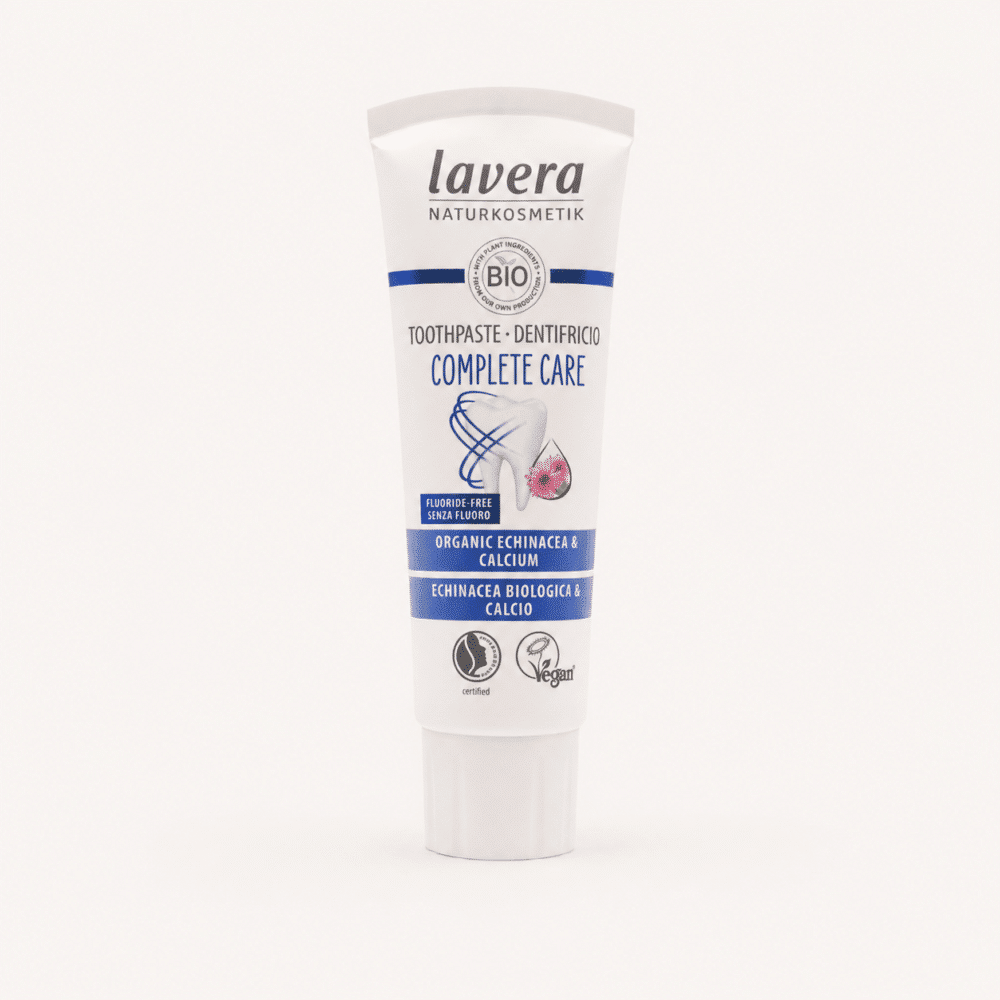
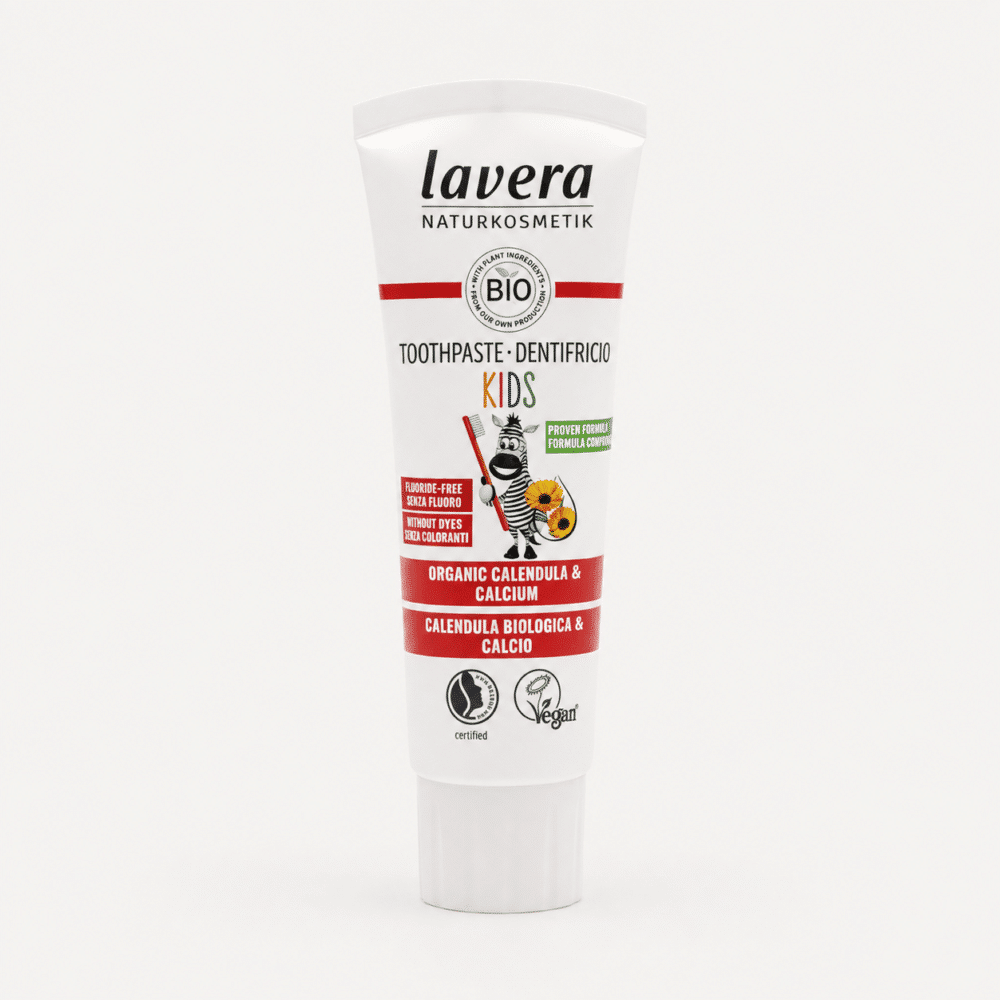
Peppermint in ordinary toothpastes and mouth washes is not a problem, neither is mild chewing gum. The stronger peppermints (like strong mints) are best avoided during homeopathic treatment. Mint in cooking is fine, both as a fresh herb in salads etc., and in teas (on its own or mixed with other herbs). Check out these gentle fluoride-free toothpastes.
What about aromatherapy oils?
Some strong aromatic oils, in particular, eucalyptus and camphor (in ointments such as Tiger Balm, Vicks Vapor Rub etc.) have been shown to counteract the healing effects of homeopathic remedies. You will also want to avoid the use of undiluted aromatherapy oils such as tee tree oil and menthol during the course of your treatment (i.e. those with especially strong odors and effects).
Milder oils such as lavender and rosemary diluted in bath or massage oils are fine, as are colognes and perfumes.
How long should I avoid the strong oils for?
The healing effects of a homeopathic remedy (even a single dose) can last for several weeks and sometimes several months so it is advisable to stay away from certain substances (like strong aromatic oils) for the duration of your homeopathic treatments, and not just for a short time after you take you take the remedy.
Is there anything else I should avoid?
Magnets and electric blankets (left on all night) are thought to counteract the effects of homeopathic treatment. It is probably best to avoid magnets, and to use an electric blanket to warm the bed, switching it off before getting into bed so the electricity isn’t running all night around your body.
What about antiperspirants?
Although using antiperspirants will not counteract the healing effects of homeopathic treatment it is generally unwise to stop your body from sweating. Suppressing your sweat (whether it is under your arms or on your feet) can cause other problems, as sweating is one of your body’s natural ways to eliminate ‘toxins’. A deodorant is a safer alternative as it won’t prevent your body from sweating, but it will stop the bad smells!
Since strong smells can affect homeopathic treatment what about hair treatments?
Some strong chemical beauty treatments including certain hair perms or dyes are generally toxic and are best avoided. It is sensible (for the sake of your general health and well being) to seek out natural alternatives to some of the more toxic hair and body treatments.
What should I do if I fall ill with a cough or a cold between visits?
If your acute illness is familiar to you it may be a healing response (a temporary return of old symptoms) and will pass quite quickly. Please call your homeopath for reassurance if you are at all concerned. If you do not have a straightforward cold or minor, everyday illness you should check with your primary care doctor to make sure you do not have a serious infection. If the illness is unrelated to anything you have experienced in the past, and you know others who have a similar illness (there is something going around and you have ‘caught’ it), then you might be able to use homeopathy to help you through it. You will need to make appointment for an ‘acute’ consultation. It is always preferable to check with your homeopath before taking an ‘acute’ homeopathic remedy.
Can I take another homeopathic remedy while I am taking a constitutional remedy?
Homeopathic remedies (including the Scheussler Cell or Tissue Salts) have relationships to one another and it is important that you don’t take another homeopathic remedy without checking with your homeopath first. The exception to this is if you are in any kind of emergency situation like an accident, in which case you can take Arnica (or any other indicated remedy)¦ and then call your homeopath as soon as you can.
The constitutional remedy I took helped so I bought another bottle. How should I take it?
You shouldn’t take another homeopathic remedy without talking to your homeopath first. Repeating a remedy that has helped can be counter-productive and may actually cause your symptoms to return.
I had something to eat after I took my remedy. Do I need another dose?
No, don’t worry. It is recommended that you stay away from food and drink for a short time before and after taking your homeopathic remedy but if you forgot with one of your doses it generally doesn’t matter.
Can I take aspirin for a fever?
It is generally inadvisable to use aspirin or Tylenol to suppress a fever. Fevers are one of the body’s self-healing mechanisms and actually help your body to fight infection. As long as your temperature is not too high it is healthier to let nature take its course. While you are sick it is important to take care of yourself in order to aid your healing process. If you feel quite unwell it is wise to go to bed and stay there! Rest and sleep as much as possible. Drink plenty of fluids (water or fruit juices) and eat only if you feel hungry. A light diet (fruit and vegetable soups etc.) will give your digestion a rest and help your body to recover faster too. I have written a number of articles addressing fevers like this one: Fevers in Children.
What can I do for pain, when I am sick or have a headache or menstrual cramps?
If you are in pain and are not able to contact your homeopath you can take the occasional pain-reliever. This is generally not a problem. You will need to advise your homeopath if you are taking pain relieving medication (especially in large quantities) on a regular basis.
Will the homeopathic remedies interact badly with my conventional treatments?
Not usually. As each therapeutic system is working on different levels of the body there is no danger of contraindications. Homeopathic remedies work well alongside most conventional medicines. It may be important to have your doctor monitor the medications you are taking as your requirements for long-term drugs may change during the course of homeopathic treatment. You should never discontinue your conventional medications without consulting your medical doctors.
Can I go to the dentist while I am having homeopathic treatment.
Of course you can! It is important that you keep your teeth cleaned and checked regularly and these visits will not affect your homeopathic treatment. If you are planning a course of dental treatment it is sensible to make sure those appointments are a good couple of weeks away from taking a constitutional remedy if possible.
Can I drink alcohol or smoke?
Moderate use of alcohol (1-2 units a day) doesn’t interfere with homeopathic treatment (unless you are strongly affected by it), nor does tobacco smoking. Both alcohol and tobacco affect your health, especially if you are a pregnant woman and should be avoided.
Should I avoid Coca-Cola, tea and chocolate since they all contain caffeine?
If you find that the effect of tea is similar to coffee then it is wise to take only moderate amounts or stop entirely. If you are not sensitive then there is no need to stop altogether but you might want to use them in moderation for the sake of your general health.
Can I drink coffee while I am seeing a homeopath?
Many people can tolerate a moderate amount of coffee and have no difficulty with drinking one cup a day. Some people are sensitive to it and find their nervous systems over stimulated by even a moderate amount. In this case their vitality and their general healing responses will be affected. If you fit into this category then you might consider cutting out coffee for the duration of your treatment. Certain remedies are sensitive to the effects of coffee. Please advise your homeopath if you drink coffee, and especially if you drink more than one cup a day.
What about non-prescribed substances?
Recreational drugs (like marijuana) have been found to counteract the effect of a homeopathic remedy. They are best avoided during constitutional treatment.
Where should I keep my remedy?
Homeopathic remedies will keep almost indefinitely if looked after well.
· Store remedies away from sunlight, preferably in a cool dark place.
· Keep your remedies away from strong smelling substances including: medicines, lotions, camphor, perfumes, moth balls etc.
· Don’t open more than one homeopathic remedy at a time.
How should I take my remedy?
· Tip the dose (a single tablet, 1-2 pea-size globules or enough tiny granules to cover the bottom of the lid) into the lid and then pour this on to (or under) your tongue.
· Do not take water with the remedy.
· Let it dissolve on (or under) your tongue.
· Take on a clean mouth – in other words don’t eat or drink 5-10 minutes before and after taking the remedy.
How important is it that I keep notes?
Important! It actually matters whether an old symptom, for example, returns 5 days or 10 days after you take your remedy. Please keep notes of anything interesting or significant that happens between visits. If this is difficult please let me know as I have a feedback chart which makes this process easier for you.
Check out the latest articles or select a category below.